

4. Barbie
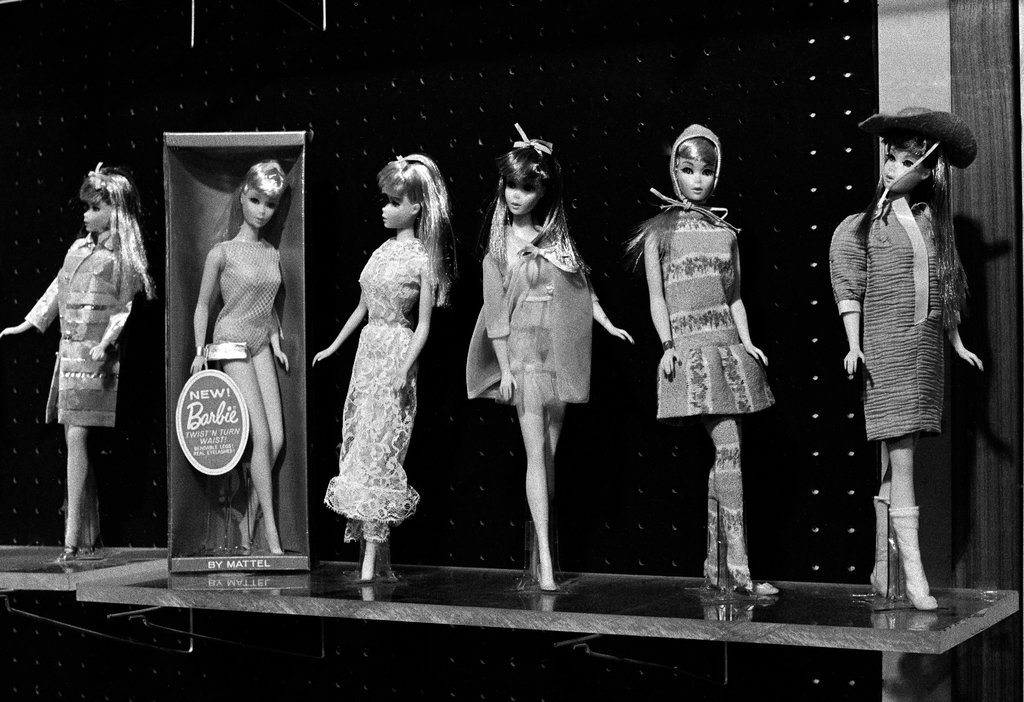
Mattel’s Barbie was an icon and a lightning rod as soon as she was released. In 1968, Ruth Handler, the doll’s creator, sized up the problem: “Eighty percent who saw it said, ‘The American public will not buy it. It would not want a doll with a teenage body — a bust and such shapeliness.’”
Barbie’s cultural staying power for half a century proved that people would indeed buy the doll, though not without controversies along the way.
In 1974, Barbie’s little sister Skipper was portrayed hitting puberty. With a flick of her arm, Skipper grew three-quarters of an inch, slimmed and grew “a modest pair of breasts,” outraging parents and the National Organization for Women.
Other dolls that raised objections included Puerto Rican Barbie; Share-a-Smile Becky, who was in a wheelchair; and Dentist Barbie, skewered in The Times by Maureen Dowd. When Christie, an African-American friend of Barbie’s, was introduced in 1968, she was criticized for her vapid prerecorded phrases.
In 1993, a group of guerrilla artists calling themselves the Barbie Liberation Organization went so far as to swap the voice boxes of G.I. Joes and Barbies and place them back on store shelves.
Mattel hoped the doll would “broaden girls’ vision of what’s possible” with its “Barbie for President 2000,” complete with a Girls’ Bill of Rights.
Critics included Patricia Schroeder, a former Colorado congresswoman and onetime presidential candidate, who wrote in an Op-Ed: “Portraits of past presidents tell us that being a hunk is definitely not a job requirement. So why should we feel great about a message that says a woman can go to the White House if she looks like Barbie?”
5. The Rubik’s Cube
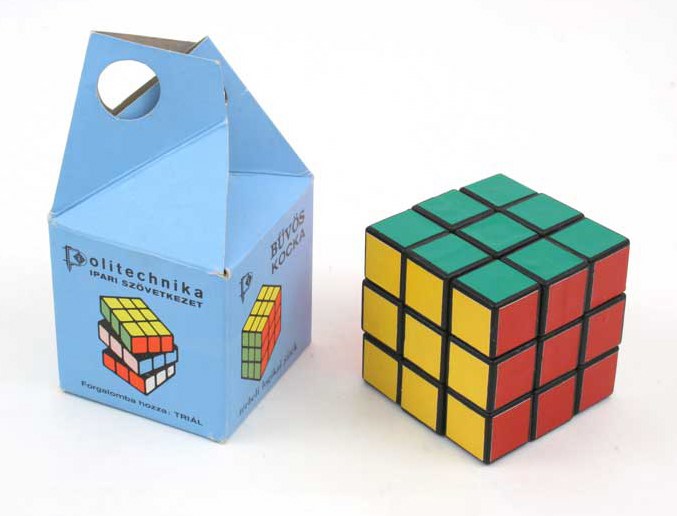
The Rubik’s Cube, “a fiendishly hard puzzle that requires you to align cubes of the same colors,” as The Times described it in 1980, was intended as a practical gift for adults in a nation still in a malaise but was quickly adopted by children, who had more patience.
The first person to try her skill publicly with the cube in the United States was Zsa Zsa Gabor, who was hired to promote the creation of her fellow Hungarian, Erno Rubik, a teacher of architecture and design in Budapest.
At 13, Patrick Bossert became the youngest author on the New York Times best-seller list with his book “You Can Do the Cube.” By 1982, trend spotters declared that the Rubik’s Cube was being overtaken by E.T. and video games.
6. The first video games
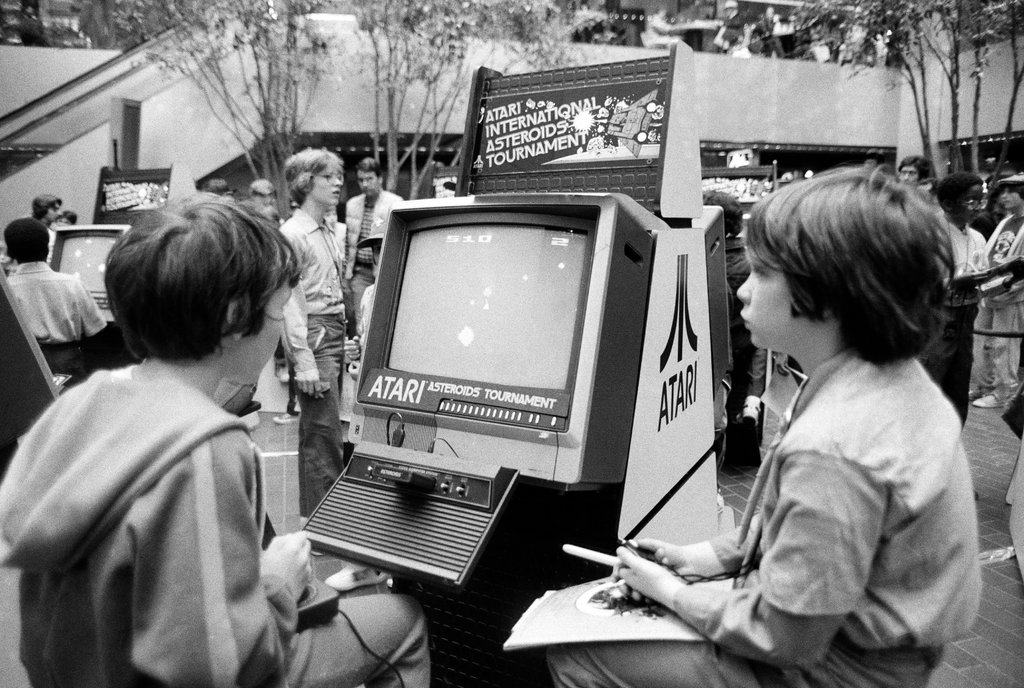
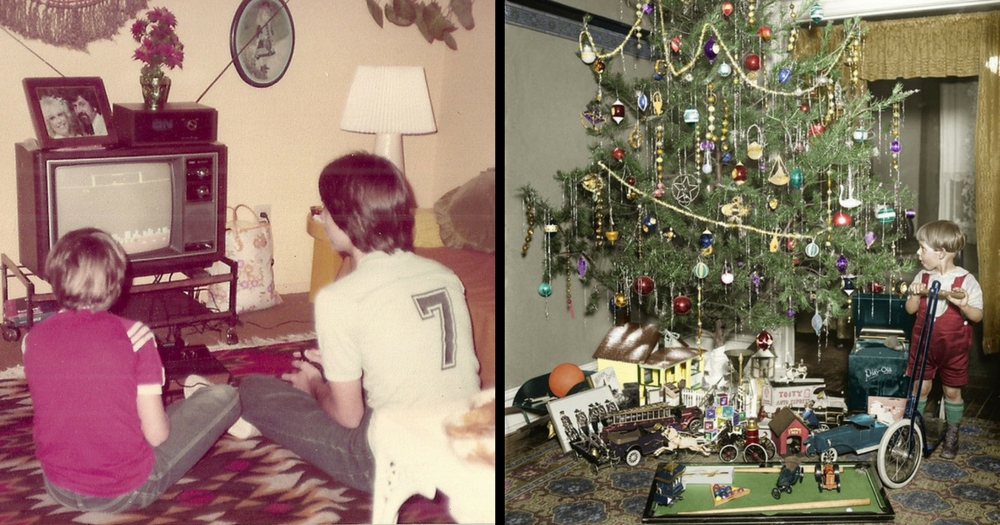
By 1982, home video games rivaled the profitability of the film business. Home game consoles and cartridges settled into steady but less drastic growth in the late ’80s. Home computers stepped in as competition, and dolls and teddy bears grew more sentient and chatty.
In 1988, Nintendo, a 99-year-old playing card company from Japan with a deep bench of beloved arcade game characters (Donkey Kong and the Mario Brothers), released a home game console that took over 80 percent of the market in one year. And the next year, Nintendo released the Game Boy in competition with the Atari Portable Entertainment System and cemented its hold on consumers.
Credits: mobile.nytimes.com
Share this story on Facebook with your friends.